How to Choose the Best Sunscreen for UAE Weather
In the UAE the UV index sits in the "very high" to "extreme" range for most of the year, and it does not take a beach day for that to matter. The walk from the car park, the school run, the drive along Sheikh Zayed Road with the sun on one side of your face - it all adds up. Sunscreen is the single most effective step for keeping skin looking even, smooth and healthy here, but only if you pick one you will actually wear every day and apply it properly.
SPF and PA: what the numbers actually tell you
Two kinds of ultraviolet light reach your skin, and a good sunscreen label tells you about both.
SPF measures UVB protection
UVB is the burning ray. SPF (sun protection factor) tells you how well a product shields against it in laboratory conditions. The gains get smaller as numbers rise: SPF 30 filters roughly 97% of UVB, while SPF 50 and above filters around 98% or more. That last percentage point sounds minor, but in a climate with this much sun, higher protection gives you a useful margin - especially because most people apply less than the amount used in testing.
PA measures UVA protection
UVA is the ageing ray. It penetrates deeper, contributes to dark spots, uneven tone and the look of fine lines, and it is present at similar levels from early morning until late afternoon. The PA rating (PA+ to PA++++) shows how strongly a sunscreen protects against it. For daily life in the Gulf, look for "broad spectrum" plus PA+++ or higher.
Cream or gel: choose by skin type, not by habit
The best sunscreen is the one you are happy to wear at 2pm in August. Texture decides that more than anything else.
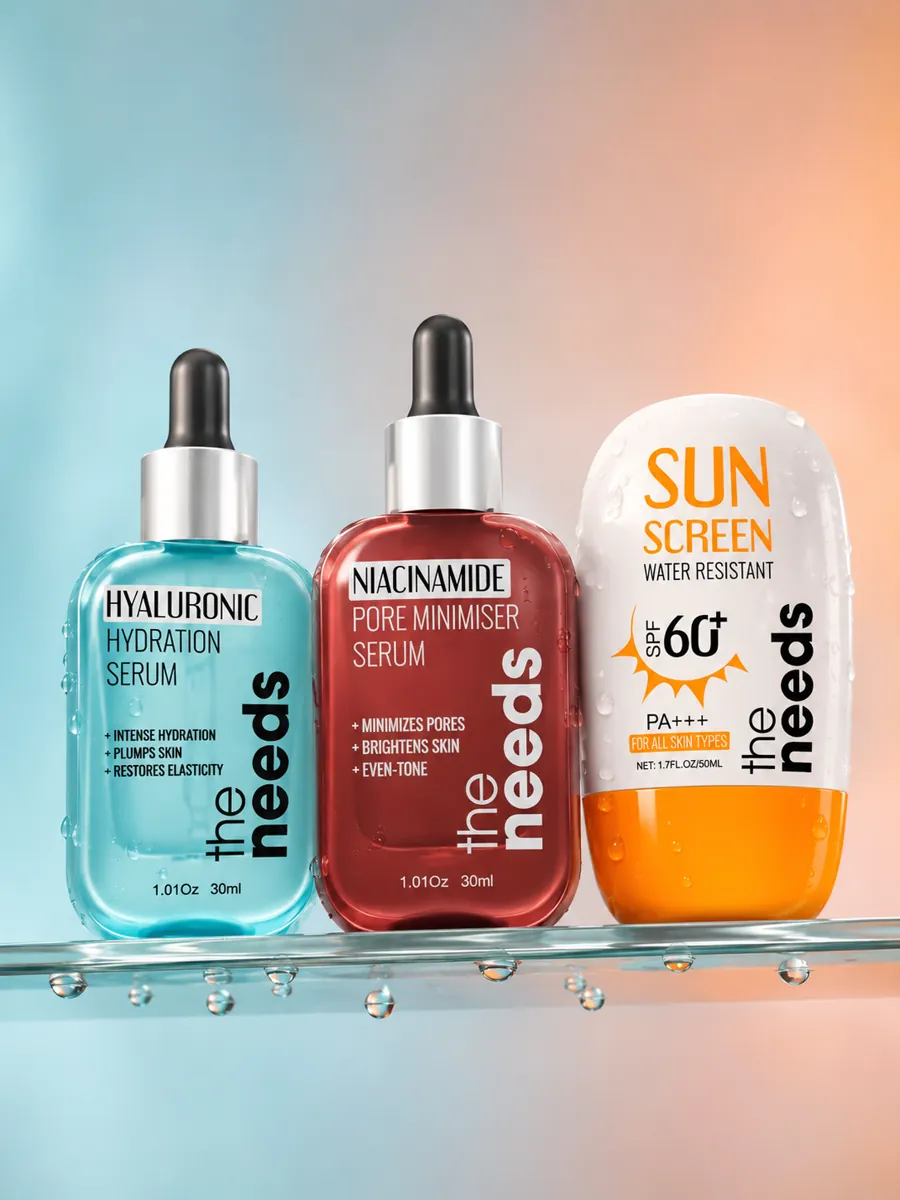
- Normal to dry skin: a cream gives comfort and a little extra hydration, which helps when air-conditioning leaves skin tight. Our Sunscreen Cream SPF 60+ PA+++ includes a hyaluronic acid complex and blends without a white cast, so it also works as a smooth base for make-up.
- Oily, combination or breakout-prone skin: a gel sets quickly and feels lighter in humidity. The Sunscreen Gel SPF 60+ PA+++ has a cooling, fast-drying finish that keeps shine under control - a good choice for the gym, outdoor commutes and men with beards or stubble.
If your skin is oily on the T-zone and dry on the cheeks, there is nothing wrong with using the gel in summer and switching to the cream in the cooler months.
How much to apply
Under-application is the most common reason sunscreen seems not to work. For the face and neck, use about two finger-lengths - squeeze a line along your index and middle fingers. Apply it as the last step of your morning routine, after moisturiser, and give it a minute or two to settle before make-up. If you are heading straight outdoors, apply around 15 minutes before you leave.
Reapplication in a hot, humid climate
Sunscreen wears down. Sweat, touching your face, wiping with a tissue and swimming all remove it, and strong sun gradually breaks filters down. The practical rules:
- Reapply every two hours when you are outdoors.
- Reapply straight after swimming, heavy sweating or towel-drying.
- For an office day, one generous morning application is a good start; top up before you head out at lunch or for the drive home.
Over make-up, a light layer of gel sunscreen pressed on with clean fingertips is easier than you might think. Keep a tube in your bag, not in the car - heat inside a parked car can break down sunscreen and change its texture.
Do you need sunscreen indoors?
If you sit near a window or spend a lot of time driving, yes. Standard window glass blocks most UVB, which is why you rarely burn indoors, but a large share of UVA passes straight through. Over months, that steady exposure shows up as uneven tone and pigmentation, often more on the side of the face nearest the window or the driver's door. If you work in an inner office away from windows, a morning application is usually enough.
Sunscreen works better with support
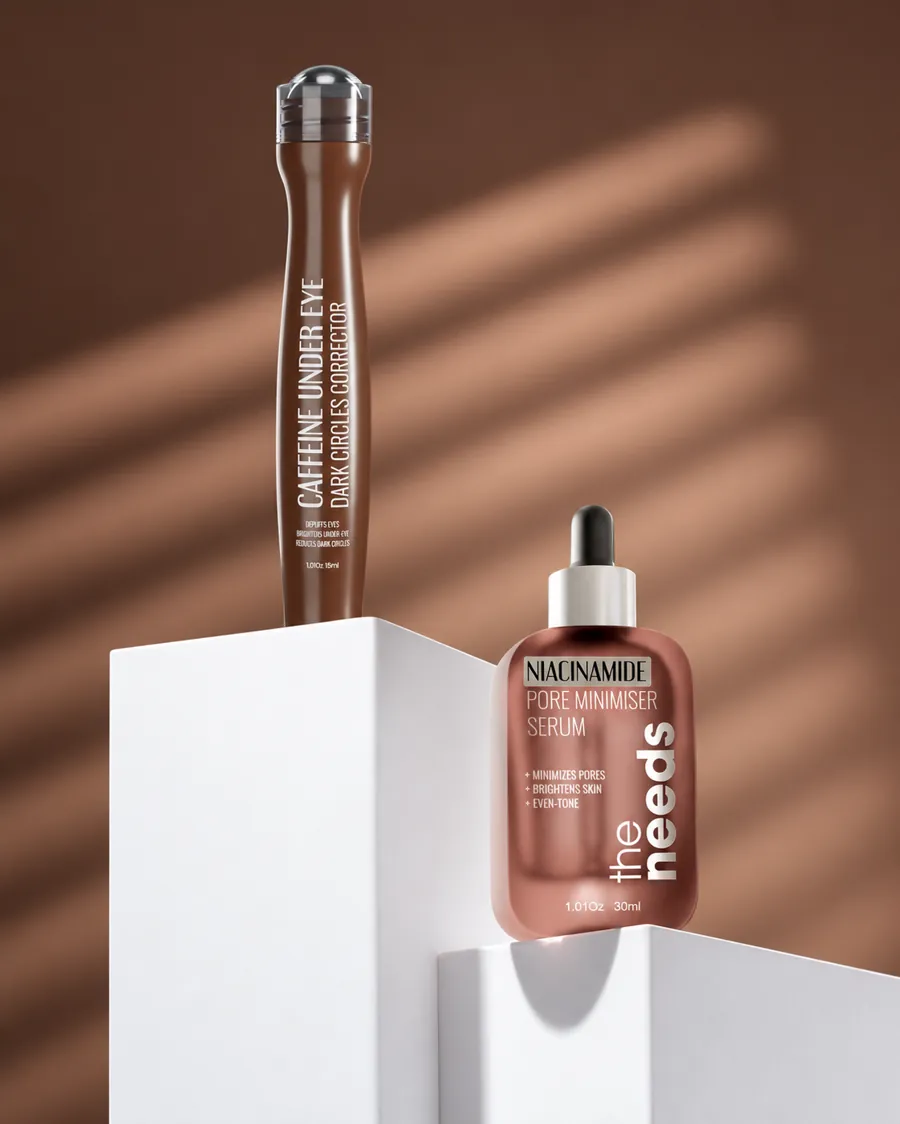
Sunscreen is your shield; antioxidants are the backup. A vitamin C serum in the morning, such as our Vitamin C Brightening Serum, gives extra antioxidant support under SPF. And if you are using treatments for dark spots or retinol at night, daily sunscreen is what protects the progress you make.
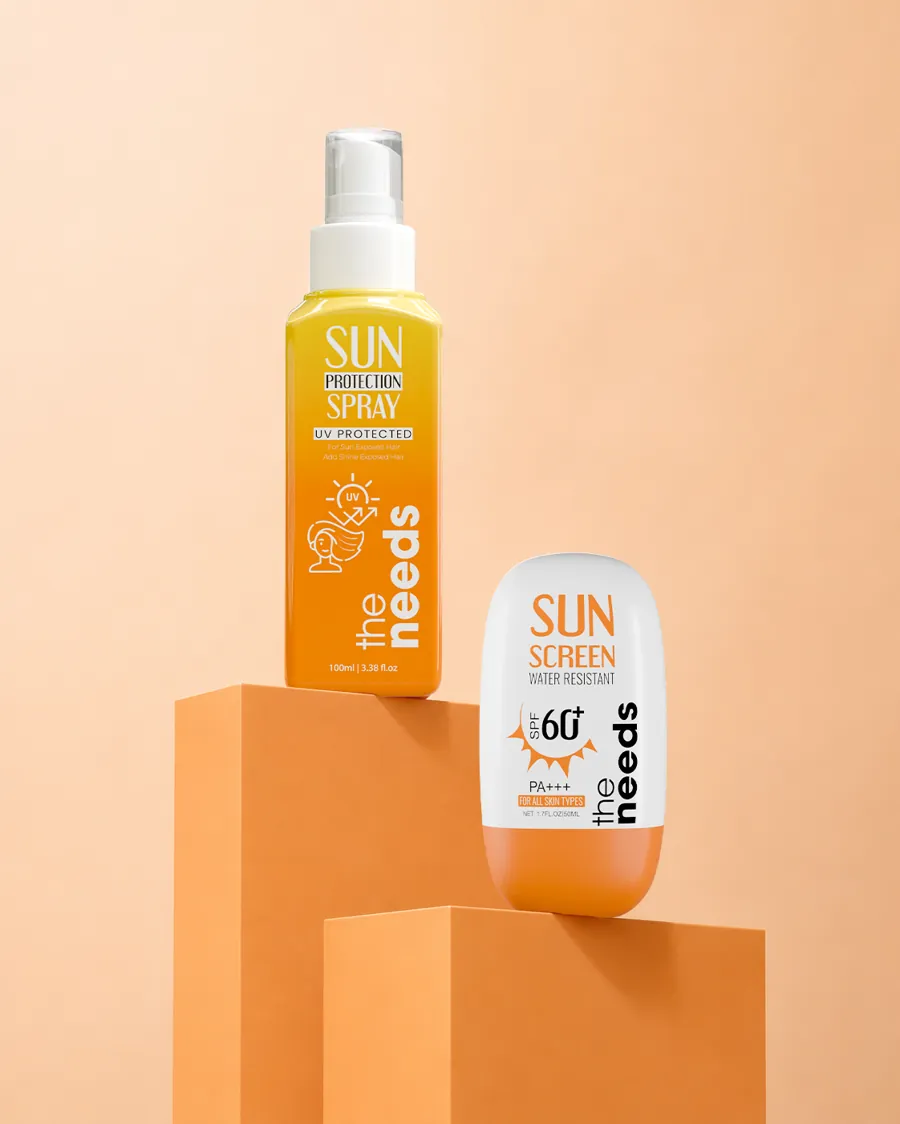
Do not forget your hair and scalp either. A UV mist such as the Sun Protection Hair Spray helps protect lengths and colour at the pool or beach.
A simple checklist
- Broad spectrum, SPF 50 or higher, PA+++ or higher.
- Cream for normal to dry skin, gel for oily or acne-prone skin.
- Two finger-lengths for face and neck.
- Reapply every two hours outdoors and after sweating.
- Wear it near windows and on every drive.
Questions & answers
Is SPF 30 enough in the UAE?
SPF 30 offers good protection when applied generously, but most people use less than they should. In a climate where the UV index stays high for most of the year, SPF 50 or higher with PA+++ gives a more forgiving margin for everyday wear.
Should I wear sunscreen in winter or on cloudy days?
Yes. UVA levels stay significant all year in the Gulf and pass through light cloud. Winter is milder for burning, but the rays behind dark spots and uneven tone are still there.
Can I use the same sunscreen on my face and body?
You can, but face formulas are usually lighter and less likely to clog pores. Many people use a face sunscreen daily and a separate, larger tube for arms and legs at the beach or pool.